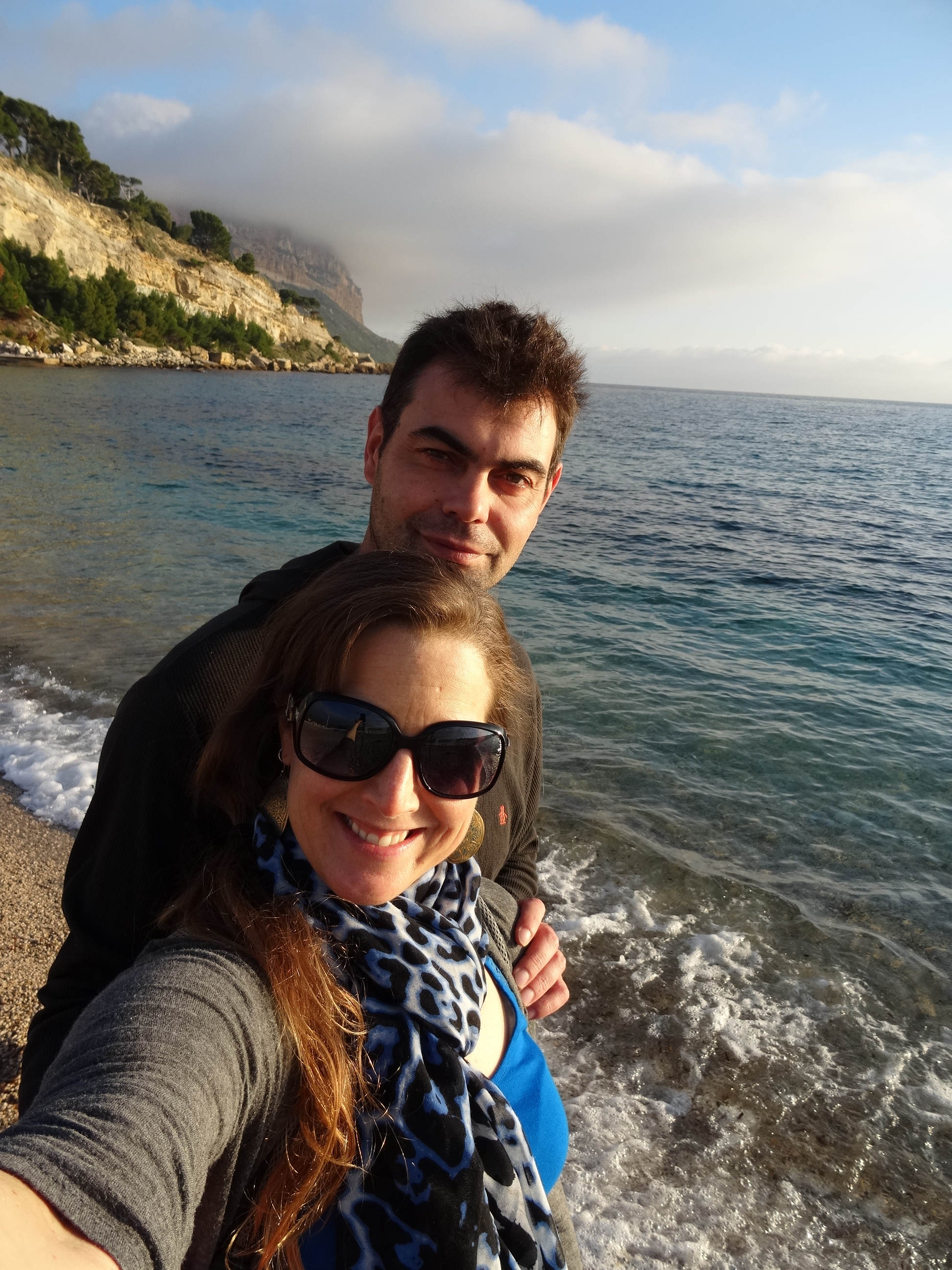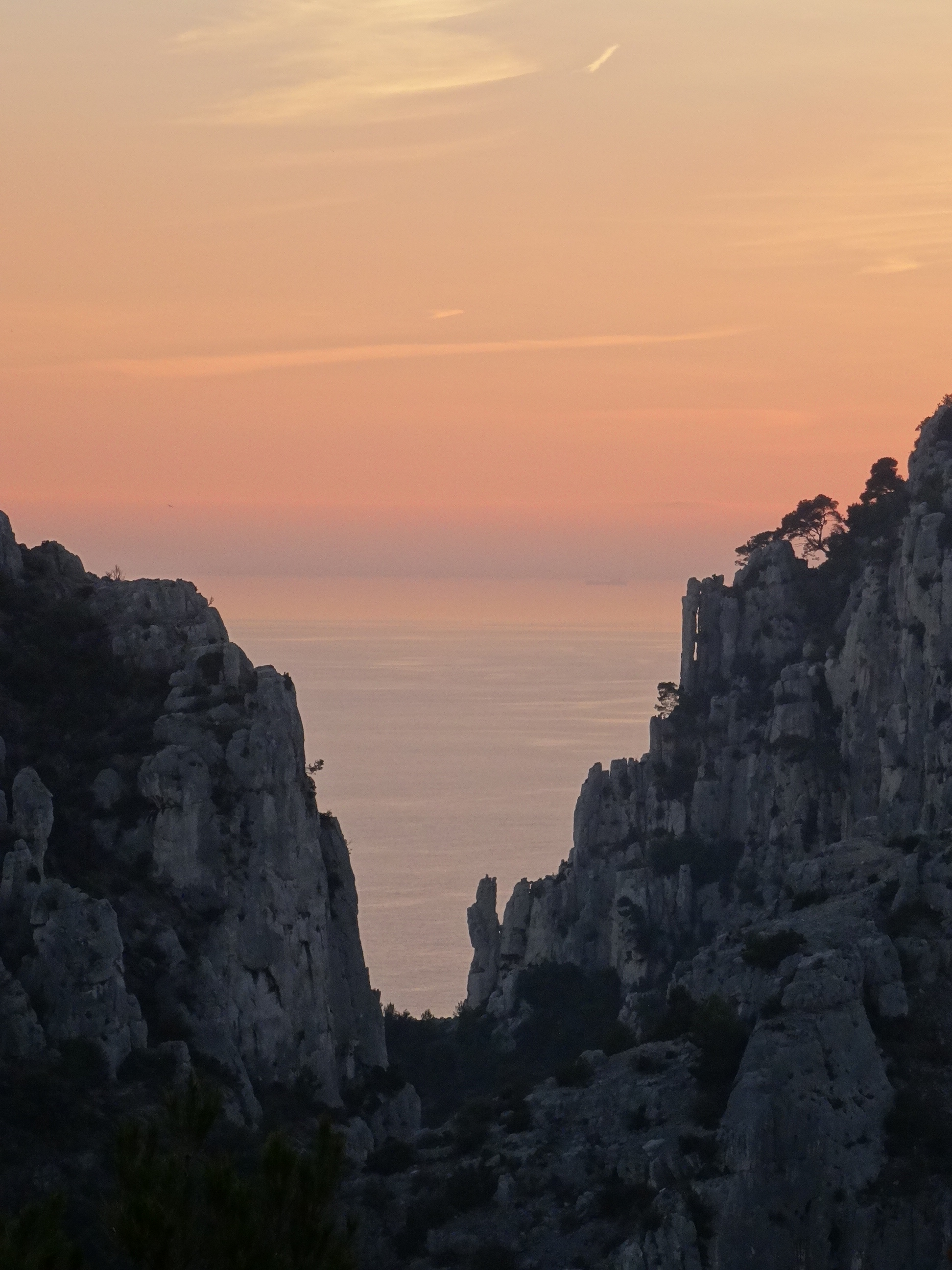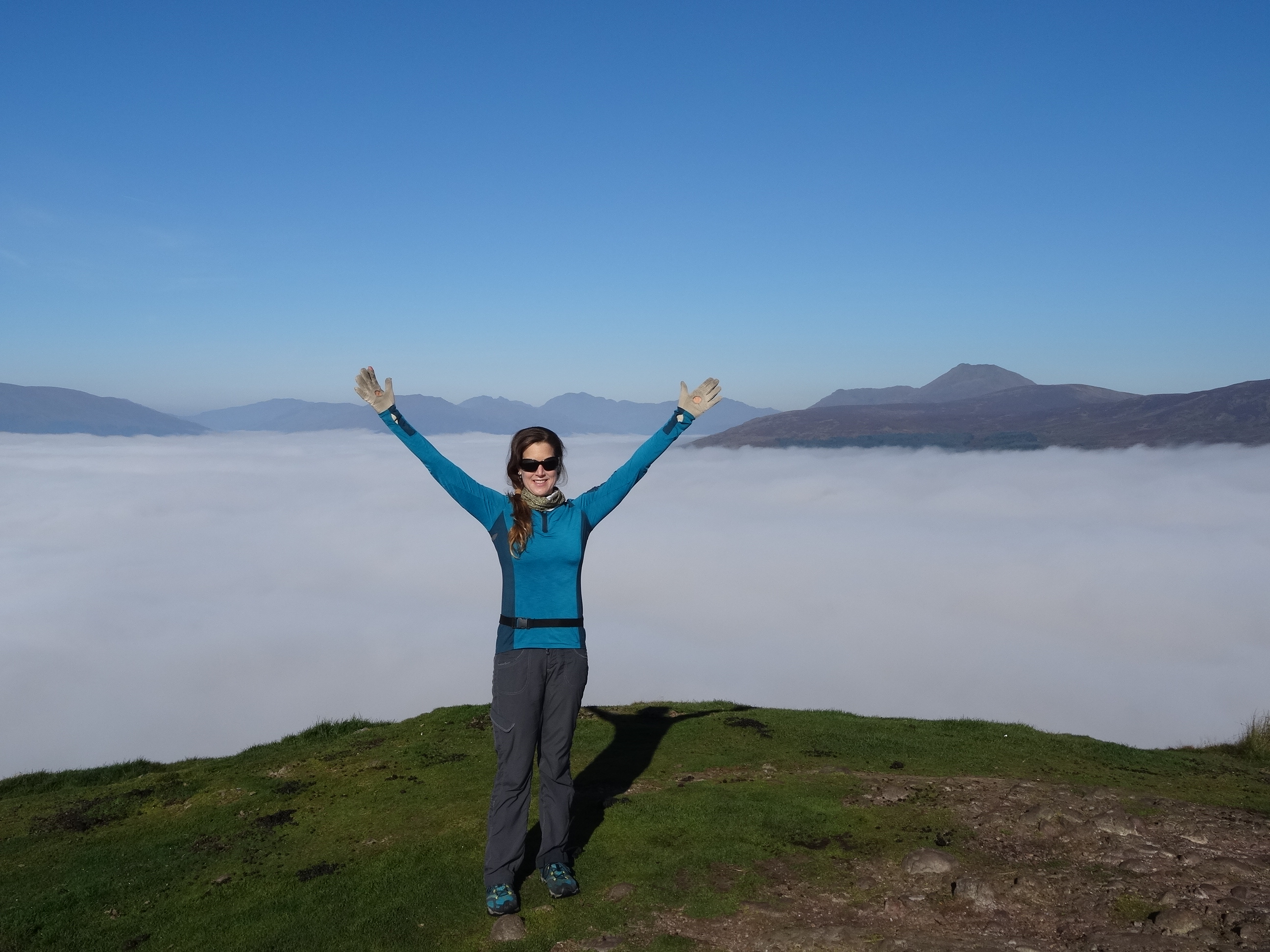
Scotland: Walking the West Highland Way (Sept 30 to Oct 6, 2015)

After two months in Ireland (see previous post), I returned to Scotland to walk the West Highland Way. This 96-mi (154-km) long footpath through the Scottish highlands is listed among the top 20 epic trails in the world by National Geographic magazine[1].

So how did I spend 7 days in the Scottish highlands? Trekking of course!

Upon arriving in Glasgow, I reconnected with Dave (England) who I’d met in Chile (Parque Nacional Torres del Paine) and traveled with for almost three weeks in Argentina (El Bolson, El Chalten, and Bariloche). From Glasgow, we took a short train ride to the small town of Milngavie where the trail begins. After getting a map and taking a few pictures, we started the walk.

The West Highland Way links hike/bike trails between the small towns and villages it passes through. Per Wikipedia, parts of the trail follow ancient roads such as drover’s roads (to herd livestock), military roads, and coaching roads. Upon its opening in 1980, the West Highland Way became the first officially designated long distance footpath in Scotland, and in 2010, it was co-designated as part of the International Appalachian Trail.

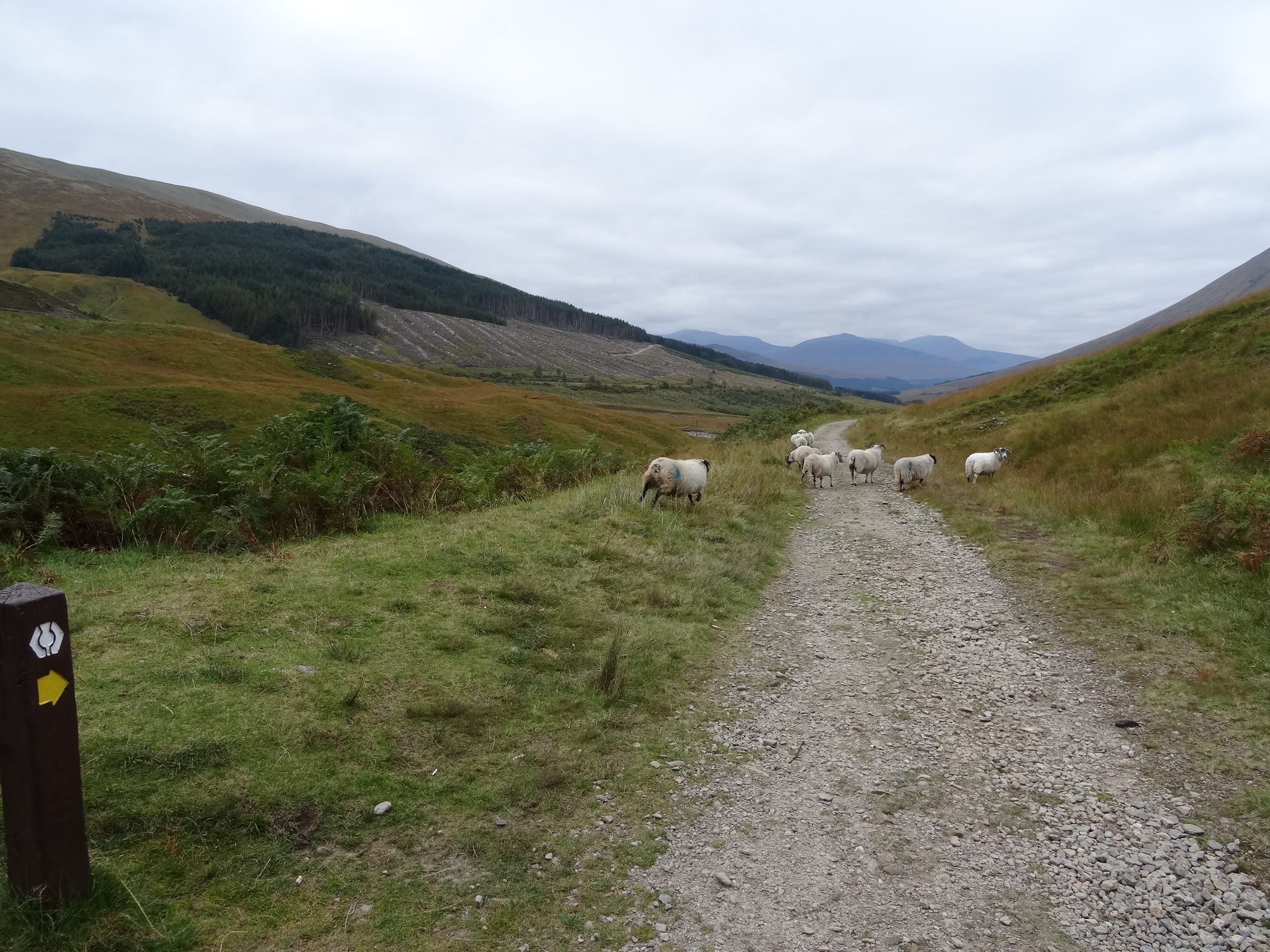
While on the trail, Dave and I trekked through varying landscapes including rolling pasture lands dotted with black-faced sheep, native grass and shrub lands, and valleys bordered by rugged mountains, crossed numerous rivers and small streams, and walked for a day and a half along the shores of 23-mi long Loch Lomond. We also walked through patches of woodland and forest, some natural and some artificially created. Per the West Highland Way website, most of Scotland’s pine forests are made up of nonnative species such as sitka spruce, larch, and douglas fir. However, ancient Caledonian pinewood forests (consisting of Scots pine, juniper, birch, willow, rowan, and aspen trees) once spread across thousands of kilometers of the highlands. These native forests now remain at just 84 protected sites covering 180 km2 in the north and west where restoration is ongoing. Walking through the patches of forest was beautiful, contrasting sharply with the vast areas of pasture and grasslands, but walking through the patches of ancient pinewood forest was magical.

Along the way, we passed through several small towns and villages, the “villages” typically consisting of a hotel or lodge with a pub welcoming walkers to rest, use the facilities, and have a pint. Similar to my previous experiences in Scotland, the locals were very friendly, being used to hordes of walkers on the West Highland Way. Fortunately for us, we walked during the low season and therefore often had long stretches of the trail to ourselves, meeting only a handful of other walkers during the day. On our first day, we met Richard, a Scotsman, who we ended up walking and camping with intermittently throughout the rest of the trek. We was a wealth of information about Scotland, the highlands, and the walk. And, he walked in a kilt, adding to my Scottish walking experience (ha!). While many walkers opt to stay at the hotels along the trail, Dave and I tent camped each night, mostly at developed campgrounds. Besides having access to facilities (i.e., toilets and showers), camping at developed campgrounds also allowed us to enjoy a pint with our fellow walkers at the end of the day. A perfect way to end a long day of walking!

On our last day, Dave and I did a 10-mi (16-km) roundtrip side hike to the summit of Ben Nevis, the highest peak in the United Kingdom at 4,409 ft (1,343 m) then walked the last few miles of the end of the trail in Fort Williams. The summit was cold, windy, raining, and thick with clouds, preventing any type of view, but it was a great end to our 7-day adventure.

Walking the West Highland Way was a great way to explore the beautiful Scottish highlands, and my experience was made even more memorable by the people with whom I walked. Oh, and by the amazingly good weather we enjoyed for most of the trek (which we were told repeatedly is quite unusual). Thanks Dave for trekking with me again!

Here are a few pictures. Click the link to see the full photo album:  https://goo.gl/photos/WVWTA4mPFrn3h1aB7

Enjoy!

DSC02709

DSC02717

DSC02763

DSC02791

DSC02875

DSC02926

Ireland: Browns Mills, Kinsale, and Beyond (July 29 to Sept 29, 2015)

After 3 weeks in Dublin, Ireland, Elie, Scotland, and Paris, France with my Texas and Illinois peeps (see previous post), I flew back to Ireland for a planned 2-month stay with my Irish friend Martin. Martin and I have been friends since meeting 5+ years ago while camping in Death Valley National Park, California. After many years in San Francisco, he recently moved back home to Browns Mills, Ireland.

Browns Mills is a small farming community just outside of the well known town of Kinsale in County Cork [about 180 miles (286 km) southwest of Dublin]. Farmers in the area, and throughout Ireland, primarily grow barley, the majority of which is grown for livestock feed and bedding, with a small percentage of it grown for whiskey production, if the quality meets the makers’ high standards. Kinsale is a historic port and fishing town (population 2,257) located on the coast at the mouth of the River Bandon. The streets of this charming town are lined with colorful shops and delicious local cafes and restaurants. While it’s a highly visited town, it didn’t feel touristy, I think because there are no American chain stores (yeah!). It’s also known as the gastronomic capital of the Republic of Ireland.

Beside growing barley on his own 10-acre plot, Martin works as a contract farmer, meaning he’s hired to harvest, mow, and bale other farmers’ fields using his big toys (aka combine harvester, tractors, bale handler, etc). He is also the proprietor of Motofeirme, a service helping non-Europeans find, purchase, insure and store their own motorbikes for travel around Europe and beyond (www.motofeirme.com or https://m.facebook.com/motofeirme). Given his busy life, especially during the summer harvest, I came to Browns Mills to visit and to help him with Motofeirme.

So, what did I do for 2 months in Browns Mills, Ireland? Explore southern Ireland and learn a lot about farming and motorcycles, of course!

Upon arriving in Kinsale from the Cork Airport, I was treated to a very friendly welcome by Martin’s mom, Eileen, who is an adorable, exuberant person with a lovely warm smile and laugh. Martin sent her to pick me up from the bus stop since he was busy harvesting. In fact, I didn’t see him until my second day there and even then, only for a few hours over the next few days. Thankfully, Phil (England), my predecessor, was there to greet me and show me around. I settled into my private room in the 4-bed bunkhouse at Martin’s place then took a few days to transition from having just been in bustling Paris to being surrounded by farmlands for as far as the eye could see, hearing cows mooing in neighboring fields, and seeing tractors and giant harvesters, including Martin’s, drive down the narrow farm roads. It was nice to slow down and smell the barley.

Phil, who’d been helping Martin with Motofeirme since April, showed me the ropes during his last week there before heading home to the Neitherlands. Basically I would be the Motofeirme greeter, meeting and assisting bikers arriving to Martin’s place to pick-up or drop-off their motorbikes before/after their European travels, tend to the bunkhouse, and perform other odd jobs as needed. It was great meeting the bikers, mostly from Australia, Canada, and the US. It was especially amusing greeting those who were seeing their motorbikes in person for the first time, having purchased their bike through Martin, who they hadn’t previously met, via photos, phone calls, and emails. The sigh of relief that the motorbike they pre-paid for prior to boarding the plane to Ireland was there and in the promised condition was definitely perceptible. Some of the bikers I met stayed in Kinsale, but most stayed in the bunkhouse, some for a few nights and some for a week or more while they readied their motorbikes and gear for the upcoming road trip or unwound before returning home after many weeks or months of being on the road. Hearing about their travel plans and stories from the road was definitely a huge perk of the job.

When there were no bikers picking up or dropping off their motorbikes, I helped plant, harvest, and bag veggies for Horizon Farms, a local farm run by Martin’s friends, Colum and Liz, that supplies many of the area restaurants and markets. I really enjoyed learning about growing and harvesting veggies including leeks, onions, cauliflower, lettuces, spinach, and various types of kale and broccoli. I have a new appreciation for the amount of hard work it takes to bring gorgeous veggies from the farm to the table. And I was able to bring home bags of the veggies I helped harvest (all by hand) – a huge perk for a veggie lover like me! Working and chatting with the Horizon crew (Colum, Liz,  Nollaig, Philip, and Matt) made me feel like a local and definitely added to my Irish experience.

In between exploring Kinsale and Cork, hanging out with Martin, working for Motofeirme and Horizon Farms, I also got to hang with some of my friends from San Diego, California, whom I hadn’t seen in over 6 months! I spent 4 days with Anaika, Ron, and their girls, Zeia and Auni, during their stay on an organic cattle farm near Bray in County Wicklow (about 12 miles south of Dublin). Then I hung out with Jody, Randy, Kristin, Thad, Karin, Ryan, and Helen for 4 days during their trip to Edinburgh, Scotland. Then, Paul Kim came to visit me for 10 days during which we went on a 6-day road trip to explore southwestern Ireland, including the Cliffs of Moher, Dingle Peninsula, Iveragh Peninsula (aka Ring of Kerry), Gap of Dunloe, and Kilarney National Park. We had a great time exploring the spectacular scenery in our tiny rental car with a left-handed stick shift driving on the left side of many very narrow roads. Our road trip mantra:  to the left, to the left.

Living in and exploring Ireland for 2 months was a fantastic experience. It was great to learn more about Ireland’s rich history though visiting early monastic sites, forts, cemeteries, churches, castles, tombs, etc., talking with locals, and exploring the amazing scenery which included rolling pastureland and native shrub/grassland, oak/pine forests, limestone outcrops, and coastal mountains and cliffs. The experience was made much more special by the people I shared it with including my local friends, Martin and the Horizon crew, my Motofeirme friends, and my friends visiting from California. Thank you all for being part of a memorable visit.

Here are a few pictures. Click the link to see the full photo album:  https://goo.gl/photos/TCkrkb9XqsYoqQ47A 

Enjoy!

DSC02592
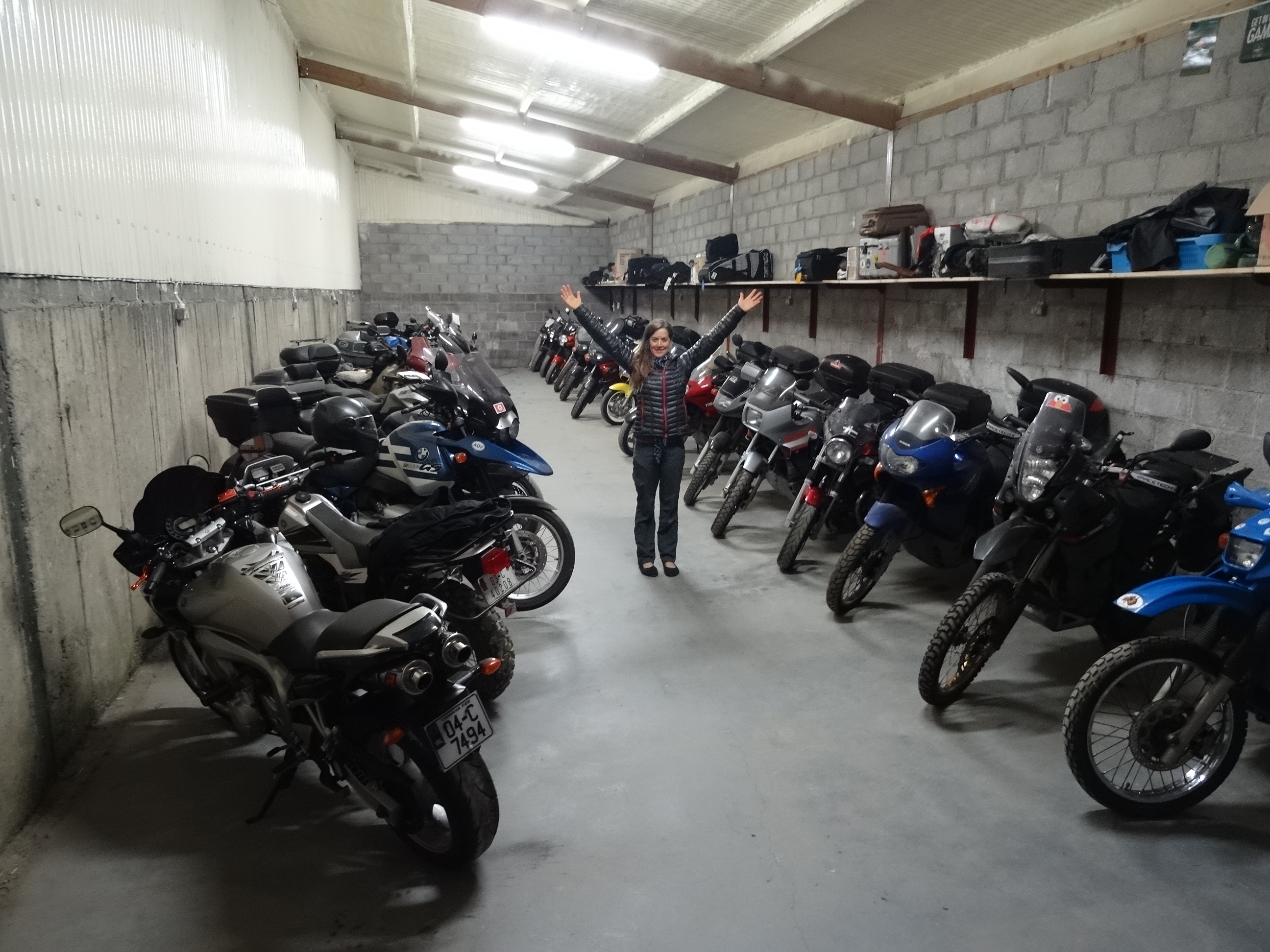
In the Motofeirme bike barn.
DSC01914
Getting a ride on the harvester.
IMG_20150809_234940
At the pub with Martin.
DSC01605
Planting veggies with Philip, Matt, and Colum (driving).
IMG_20150810_004333
Having a cone wih Anaika, Auni, and Zeia at Powerscourt Gardens.
DSC02002
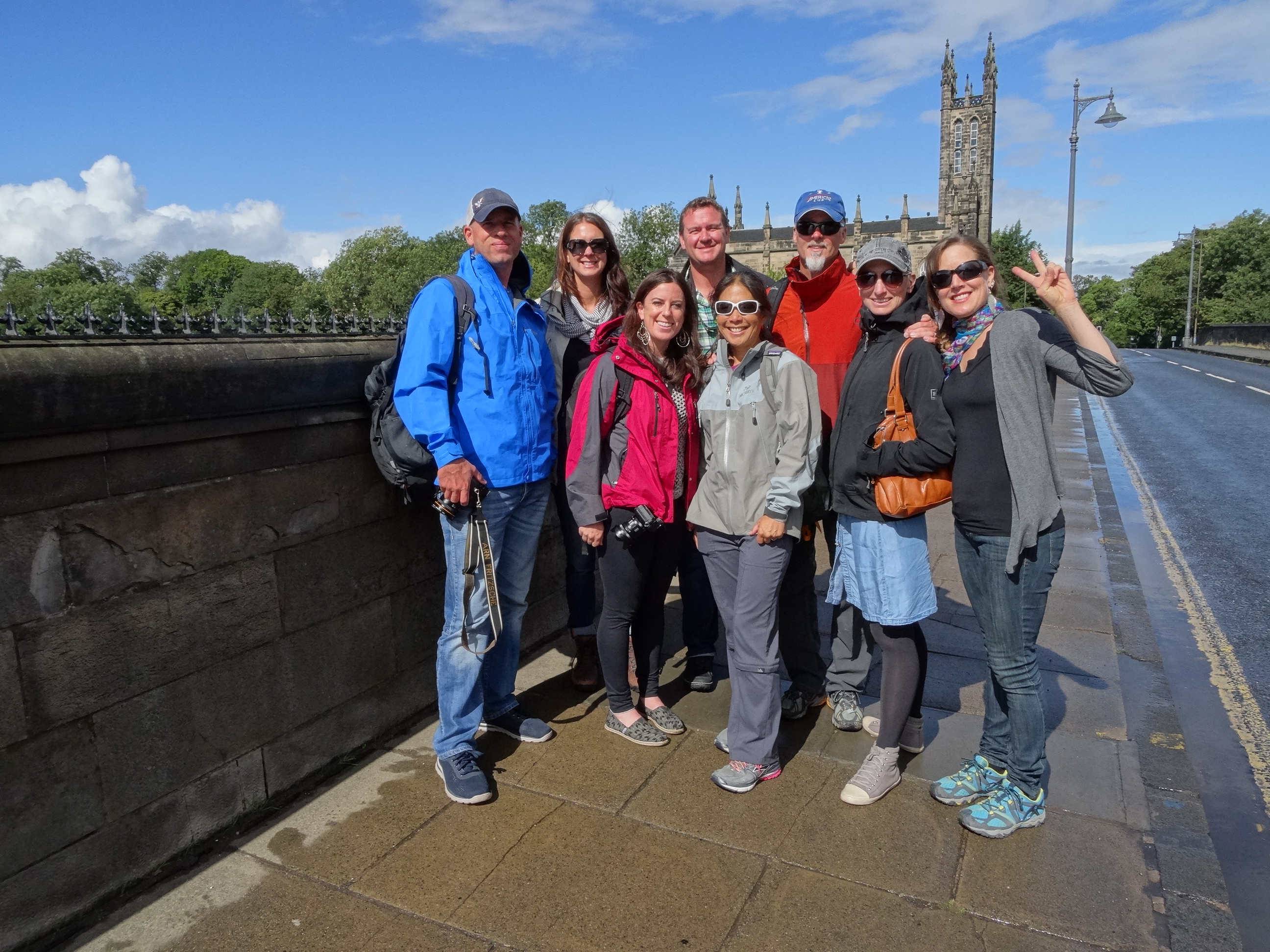
With Ryan, Kristin, Helen, Thad, Jody, Randy, and Karin in Edinburgh, Scotland.
DSC02409
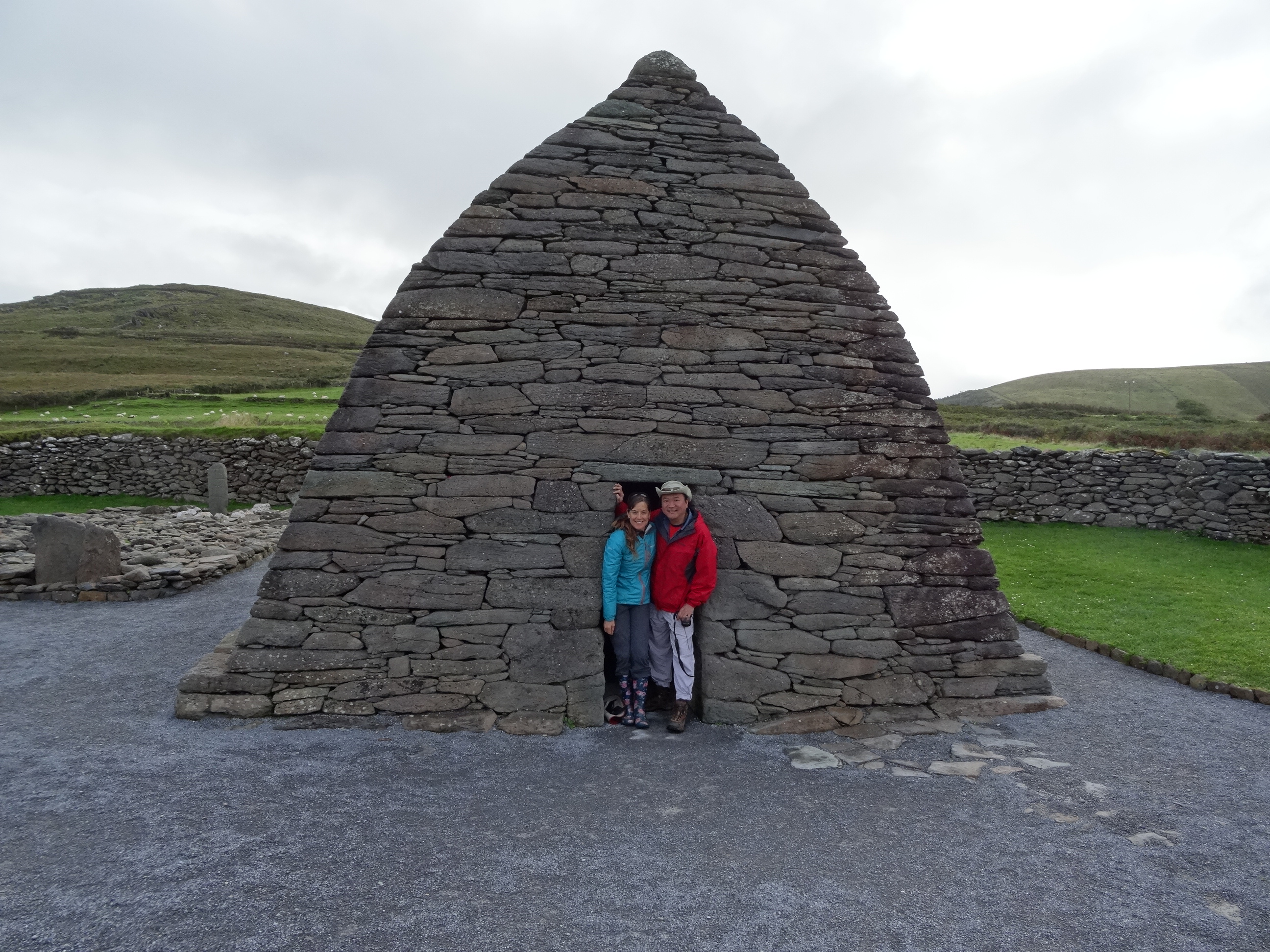
Exploring a 7th/8th century oratory with Paul.
DSC01949
Lovely day at the harbor.

UK/Europe: Ireland, Scotland, and France (July 7 to 29, 2015)

After exploring and trekking in South America for about 5 months (see previous posts for Chile, Argentina, Bolivia, Peru, and Ecuador), it was time to move on. I had an unforgettable experience in South America and definitely plan to return to explore the beautiful landscapes and cultures of the countries I didn’t get to visit, and revisit some of my favorite areas and new friends.

From Latacunga, Ecuador, I took a day bus to Guayaquil (Ecuador) where I caught a 14-hour flight to Dublin, Ireland, to join Steve and his mom, Glenda (Texas) and his brother, Jim, and friend, Sam (Illinois) on their 3-week vacation in Ireland, Scotland, and France. Steve, Glenda, and Jim had been planning this vacation for several years so I felt very lucky to be able to join them.

So, what did we do for 6 days in Dublin, Ireland? Explore the city and it’s pubs of course!

Dublin, the capitol of the Republic of Ireland, is a large bustling city (population 527,612) which, due to its accessibility, has a small city appeal. We stayed in a great apartment close to all the action. We spent most of our time exploring the city but also visited the small coastal village of Howth, about a 30 minute train ride northeast of Dublin. We had a great time walking around and checking out the sights, which of course, included the pubs where we chatted with the locals. Per Lonely Planet, “Dubliners at their ease are the greatest hosts of all, a charismatic bunch whose soul and sociability are so compelling and infectious that you mightn’t ever want to leave.” It’s so true! We were amazed time and time again by the genuine friendliness of the people we met on the street, on the train or bus, at restaurants, and at the pub.

From Dublin, we flew to Edinburgh, Scotland and stayed in Elie, about an hour north of Edinburgh and more importantly to Steve, Jim, and Sam, about 30 minutes from the town of St Andrews, the “home of golf” and the location of the 2015 Open Championship.

What did we do for 7 days in Elie, Scotland? Explore the beautiful Scottish coastline and immerse ourselves in golf of course!

We stayed in a beautiful house with a front patio overlooking the beach. Elie is a quaint, charming coastal village (population 940) whose resident population swells in the summer with tourists enjoying the beaches, watersports, and golf courses. We explored the idyllic coastal towns between Elie and St Andrews. While much larger than Elie, St. Andrews (population 16,680) is also charming. Per Wikipedia, “St Andrews is known worldwide as the “home of golf” in part because the Royal and Ancient Golf Club, founded in 1754, exercises legislative authority over the game worldwide (except in the United States and Mexico), and also because the famous links course is the most frequent venue for The Open Championship, the oldest of golf’s four major championships.” The day before the start of The Open, we toured the famous golf course and got to see several famous players (i.e.,Tom Watson and John Daly) on their practice rounds. I don’t watch or play golf, but even I couldn’t resist getting caught up in the excitement of walking on such a historic course and seeing some famous players. Steve, Jim, and Sam were like kids in a candy store walking on the course and even more so as they watched their favorite players battle it out on Day 1 of The Open from the sidelines of the historic course. While I didn’t go with them to The Open, I kept up on the golfer’s scores while relaxing at the house. That’s how infectious the vibe of The Open was!

Besides being the home of golf, St Andrews is home to the beautiful University of St Andrews, the third oldest university in the English-speaking world and the oldest in Scotland, founded in 1413. Notable alumni include England’s Prince William and Princess Kate. We also explored Edinburgh, Scotland’s capitol, for a day, walking around the large (population 492,680) but very accessible city and visiting the Edinburgh Castle (12th century). It’s a beautiful historic city which explains why Edinburgh’s Old Town and New Town together are listed as a UNESCO World Heritage Site. And while in Scotland, we had to try the national dish, haggis, “a savoury pudding containing sheep’s heart, liver and lungs minced with onion, oatmeal, suet, spices, and salt, mixed with stock, traditionally encased in the animal’s stomach though now often in an artificial casing instead.” It was….interesting. We had a great time walking around and checking out the sights of coastal Scotland, which of course, included the pubs where we chatted with the locals. Like the Irish, the Scots we met on the street, on the bus, at restaurants, and at the pub were genuinely friendly and fun to chat with.

From Scotland, Jim and Sam returned home, Glenda went to London, England for a few days before returning home, and Steve and I went to Paris, France.

What did we do for 9 days in Paris, France? Explore the well-known sights of the city and indulge in fabulous wine and food of course!

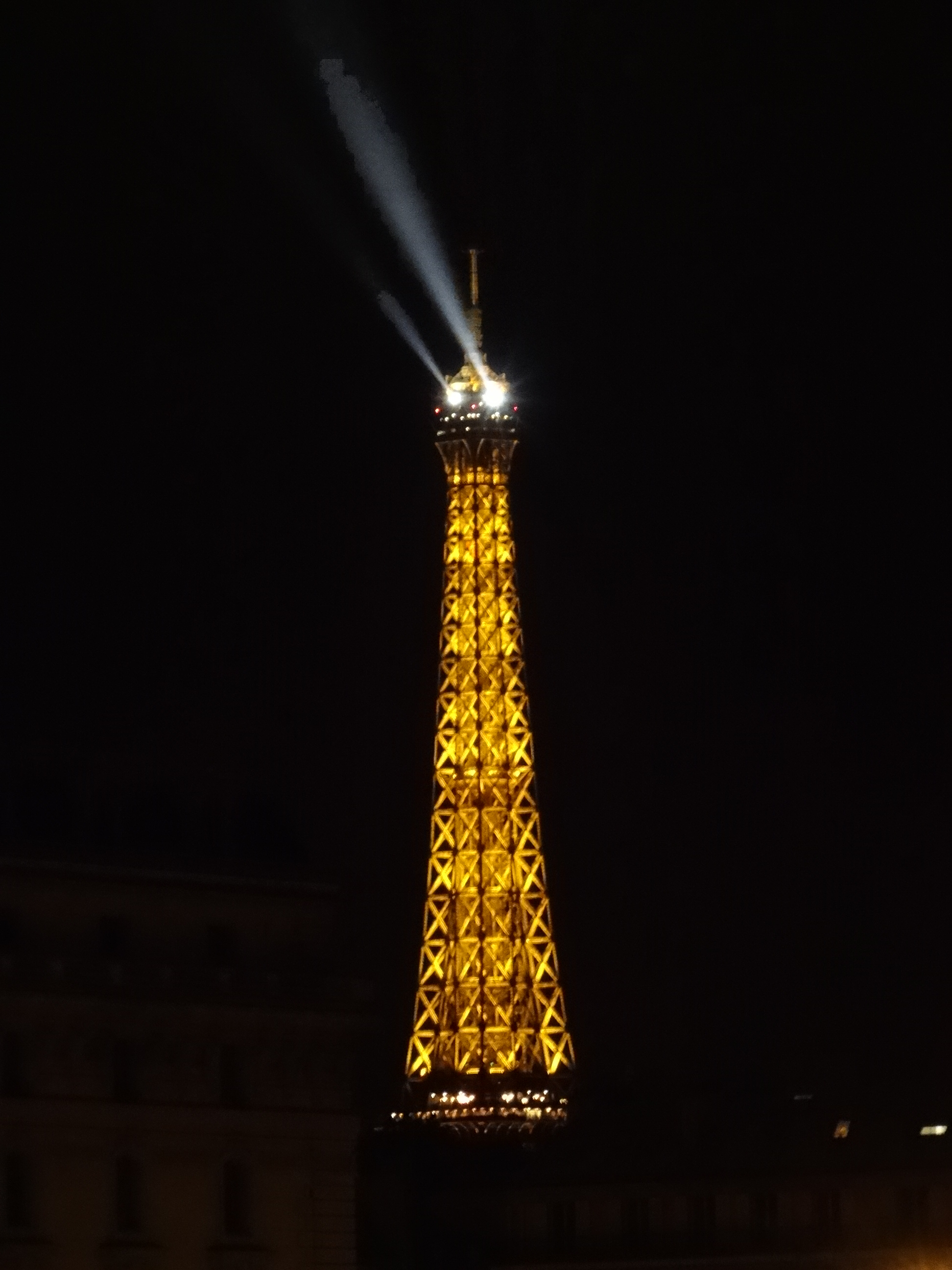
Paris is the amazing, vivacious city I always imagined it would be. This capitol city is large (population 2,241,346) and bustling but accessible and filled with history, and of course romance. We stayed in a lovely apartment close to Canal Saint Martin and Republique Square, an area with numerous cafes, patisseries, small markets, and shops. We spent the days visiting some of Paris’ famous sights including the Notre Dame Cathedral (12th century), the Saint-Chapelle (13th century), Louvre Museum (1792), Père Lachaise Cemetery (1804), Arc de Triomphe (1836), and Basilica of Sacre-Coeur (1914). It was very cool to finally visit these places I’ve only seen pictures of. We also had the good fortune of hanging out with Steve’s friend, Eddie, and some of Eddie’s friends, all French. It was cool to hang out at their favorite spots and feel like a local. Along with hanging with the locals, we also adopted the local  lifestyle and picnicked along the Canal Saint Martin and the Seine. It was surreal to drink wine on the banks of the Seine while watching the daylight fading behind the Eiffel Tower. In addition to the good wine, cheese, bread, and fresh veggies that made up our picnics, we also enjoyed delicious wine and food at some fantastic restaurants, and, oh yeah, more than a few macaroons from the local patisseries. Holy crap, it’s no wonder Paris is a gastronomic capitol!

Exploring Dublin, Ireland, Elie and St. Andrews, Scotland, and Paris, France was a fantastic experience made much more special since I got to share the experience with Steve, Glenda, Jim, and Sam. Thank you all for letting me share your vacation and thank you Steve for a wonderful time in Paris.

Here are a few pictures. Click the link to see the full photo album:  https://goo.gl/photos/tTMnexAWsMG5UcUT9

Enjoy!

DSC00022
In Dublin, Ireland enjoying a beer with Glenda, Steve, Sam, and Jim before a tour of the Jameson whiskey distillery.
DSC00258
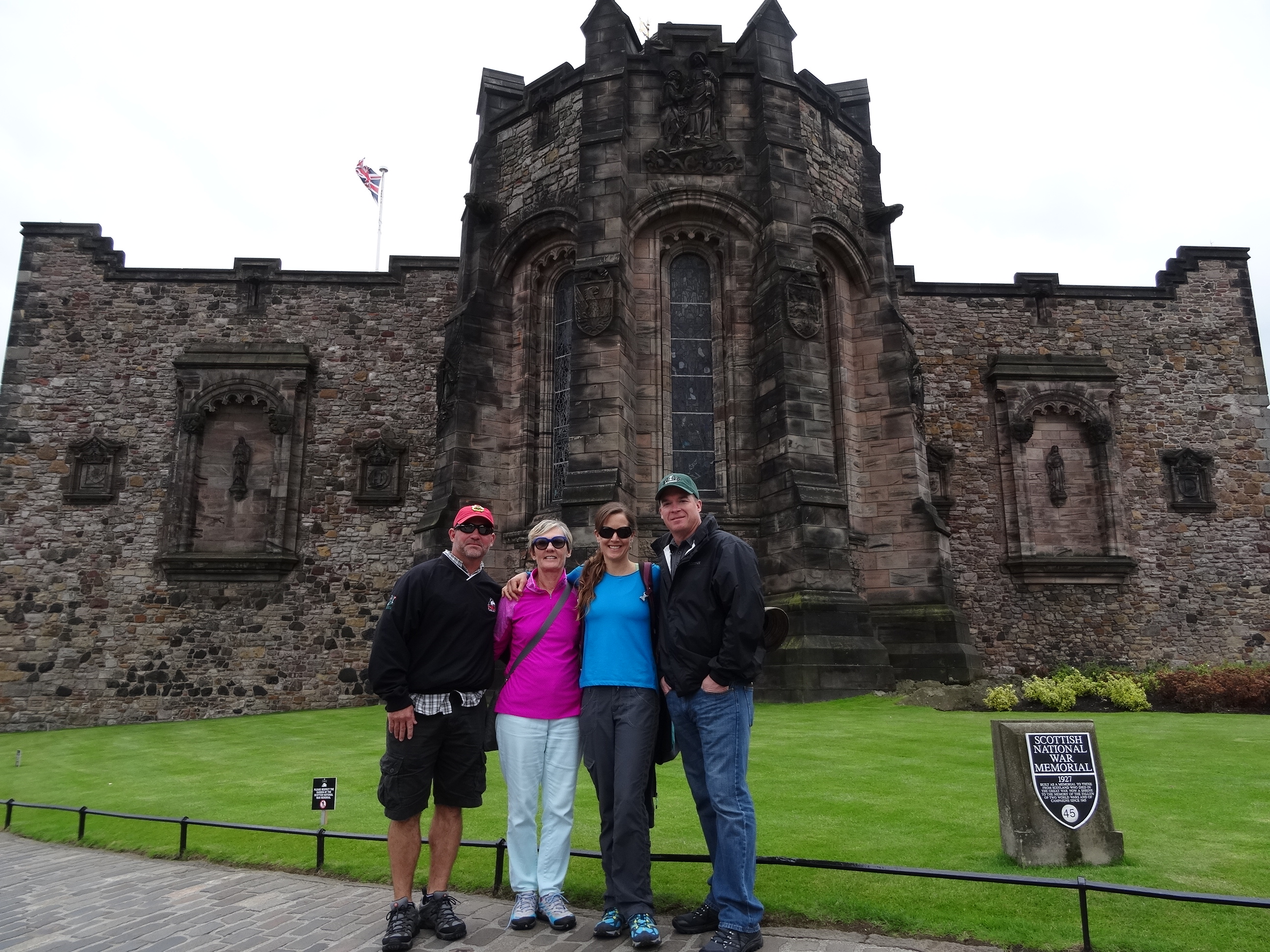
In Scotland touring the Edinburgh Castle with Jim, Glenda, and Sam.
DSC00147
In St. Andrews, Scotland walking the historic golf course before The Open.

DSC01425

DSC00460
In Paris enjoying wine with Steve on the banks of the Seine.
_20150808_082514
In Paris at the Louvre museum.

Ecuador: Cuenca/Parque Nacional Cajas and Latacunga/Volcan Cotopaxi/Quilatoa Loop (June 23 to July 4, 2015)

After hiking the amazing Santa Cruz trek in Peru (see previous post), I took an overnight bus, an all day bus, and another overnight bus to Cuenca, Ecuador.

Per Wikipedia, Cuenca is the third largest city in Ecuador (population ~400,000) located in the Andean highlands at about 8,200 ft (2500 m). It was declared a UNESCO World Heritage Site in 1999 for its charming historical center, its 52 churches, the small cobbled streets and colonial houses with noble facades, wrought iron balconies and red tiled roofs. Besides being a center for culture and art, Cuenca is also the gateway to Parque Nacional Cajas, a high-elevation area [10,170 to 14,600 ft (3100 to 4450 m) which contains about 270 lakes and lagoons surrounded by tundra with jagged peaks, gnarled red Quenua trees and cloud forest.

So how did I spend 5 days in a UNESCO World Heritage city and the nearby national park? Exploring and trekking of course!

In Cuenca, I reconnected with Renata and Gabriela (Czech Republic) who I’d met in Cusco (Peru) and with who I hiked the Santa Cruz trek. We spent a few days exploring the quint, beautiful city of Cuenca, enjoying the lovely plazas and churches and the delicious food at the local markets. After a few days in the city, we decided to do a 3-day trek in Parque Nacional Cajas. Unfortunately due to high winds, rain, and cold temperatures, we instead did a day hike that while beautiful was very wet and muddy, then spent the night at a refugio (instead of camping), and returned to Cuenca the next day. Back in town, we spent the day washing our muddy gear and deciding where to go next. I said farewell to Renata and Gabriela who headed to the coast for some sun and beach time, and I headed further north in Ecuador for more trekking.

After an overnight bus from Cuenca, I arrived in Latacunga (population 98,355), located on a plateau at about 9,200 ft (2,800 m) which serves as the gateway to Parque Nacional Cotopaxi, home of Volcan Cotopaxi. The active Cotopaxi volcano, the second highest summit in Ecuador at 19,347 ft (5,897 m), is only about 15 mi (25 km) from Latacunga. Per Wikipedia, “Volcan Cotopaxi erupted violently in 1742 and again in 1768, destroying much of Latacunga both times. The indomitable (or foolhardy) survivors rebuilt, only to have an immense eruption in 1877 wreak havoc a third time. Not to be outdone by Mother Nature, the townspeople were compelled to try again, and they have been spared Cotopaxi’s wrath ever since.” Until recently, the last eruption occurred in 1940. However, on August 14, 2015, about 6 weeks after I was there, the volcano erupted “with a series of six very strong explosions that produced ash plumes and some pyroclastic flows. In response, the Ecuadorian government declared a state of emergency for the area around the volcano and ordered more than 400 people to evacuate from the village on the northern foot of the volcano.” As far as I can tell, no one was hurt and no property was damaged by the eruptions. Too bad I missed it, it would have been exciting to see the volcano erupt!

Along with Volcan Cotopaxi, Latacunga is also the gateway to the Quilatoa Loop, a 3-day trek through several Andean villages that allows a glimpse into rural, indigenous life while enjoying majestic canyons, lagunas, and volcanoes. The trek is made famous by the Quilotoa crater lake. Per Wikipedia, the 2 mi (~3 km) wide caldera was formed by the collapse of the volcano following a catastrophic eruption about 800 years ago.

So how did I spend 7 days in an area of large volcanoes, deep canyons, and indigenous villages? Exploring and trekking of course!

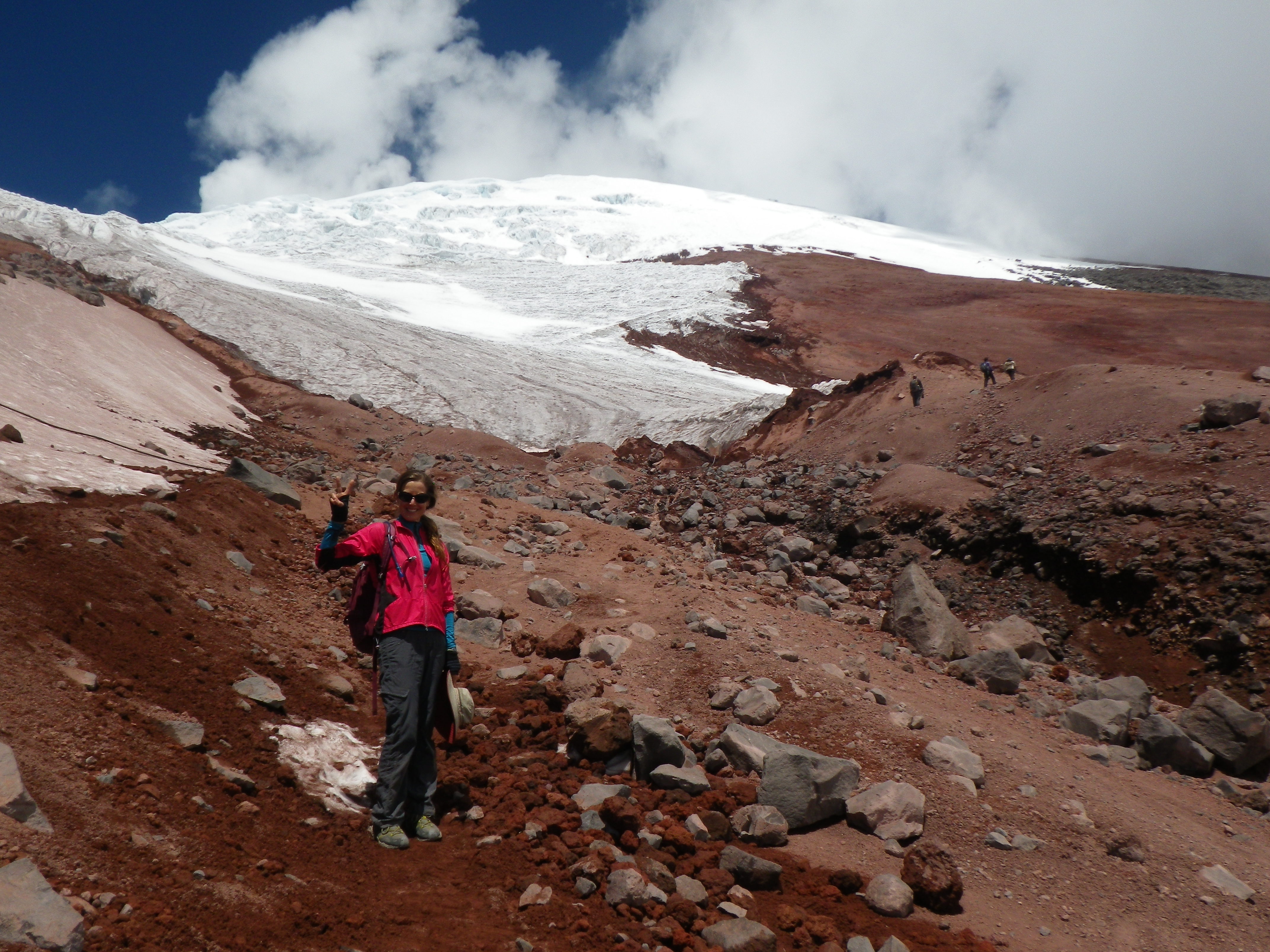
I started with a day-hike on Volcan Cotopaxi with my hiking partners, Benjamin and Jasmin (Germany) and Jason (Canada) who I’d met at the hostel in Latacunga. We took a bus to the national park where we hired a guide to take us to the foot of the glacier (the furthest point before technical climbing gear is required). While the trek to the glacier is steep, it’s short (about 45 minutes) and not technical, requiring only willpower to complete. However, the national park requires hikers to hire a guide to accompany them at least to/from the trailhead. Our guide, Patricio, was fantastic, sharing information about the geology and natural history of the area and the volcano. He seemed to genuinely enjoy hiking and talking with us as much as we did with him. Amazingly, he hikes the trail almost daily, guiding tourists to the glacier, and still loves it each time. A true hiker. The views of the surrounding landscape were stunning from the edge of the glacier located at 16,732 ft (5100 m). It was a great day-hike up a majestic volcano with fun people, including our guide, Patricio.

Next up, the Quilatoa Loop. With my legs warmed up from the volcano hike the day before, I packed my gear and headed to the trailhead with Alex (England), whom I’d met at the hostel that morning, and Benjamin. After a 2.5-hour bus ride, we started the 3-day, roughly 25-mi (41-km) trek. The loop is typically done starting from the village of Quilatoa, adjacent to Quilatoa crater lake. However, we opted to hike the reverse direction from Sigchos so we’d be rewarded with views of the stunning crater lake at the end of our trek. We hiked through wide canyons, pasturelands dotted with cows and sheep, and up and over several steep ridges. On the first night, we stayed at a lovely hostel in the village of Isinlivi which, along with a gorgeous view, comfortable beds, and hot showers, included a delicious home-cooked dinner and breakfast. This was luxury trekking for sure!

The next day we hiked to the village of Chugchilan. There, we said farewell to Benjamin who was meeting Jasmin and staying the night before they continued on to Quilatoa. Alex and I planned to hike to the crater that day and stay in Quilatoa that evening. However, later that afternoon, we ended up hiking with Eduardo and his younger sister, Yolanda, who were moving a small herd of cattle to higher pasture. After chatting for awhile, Eduardo invited us to stay at his family’s home located just below the crater. While there was no toilet or shower, for $5 each, we would have our own rooms, dinner, breakfast, and best of all, the company of a local family. We accepted the invitation and continued our hike to the Quilatoa crater. While less than half the width of Crater Lake in Oregon (5 mi (8 km) wide), the Quilotoa crater and its sparkling blue lake was an equally impressive sight.

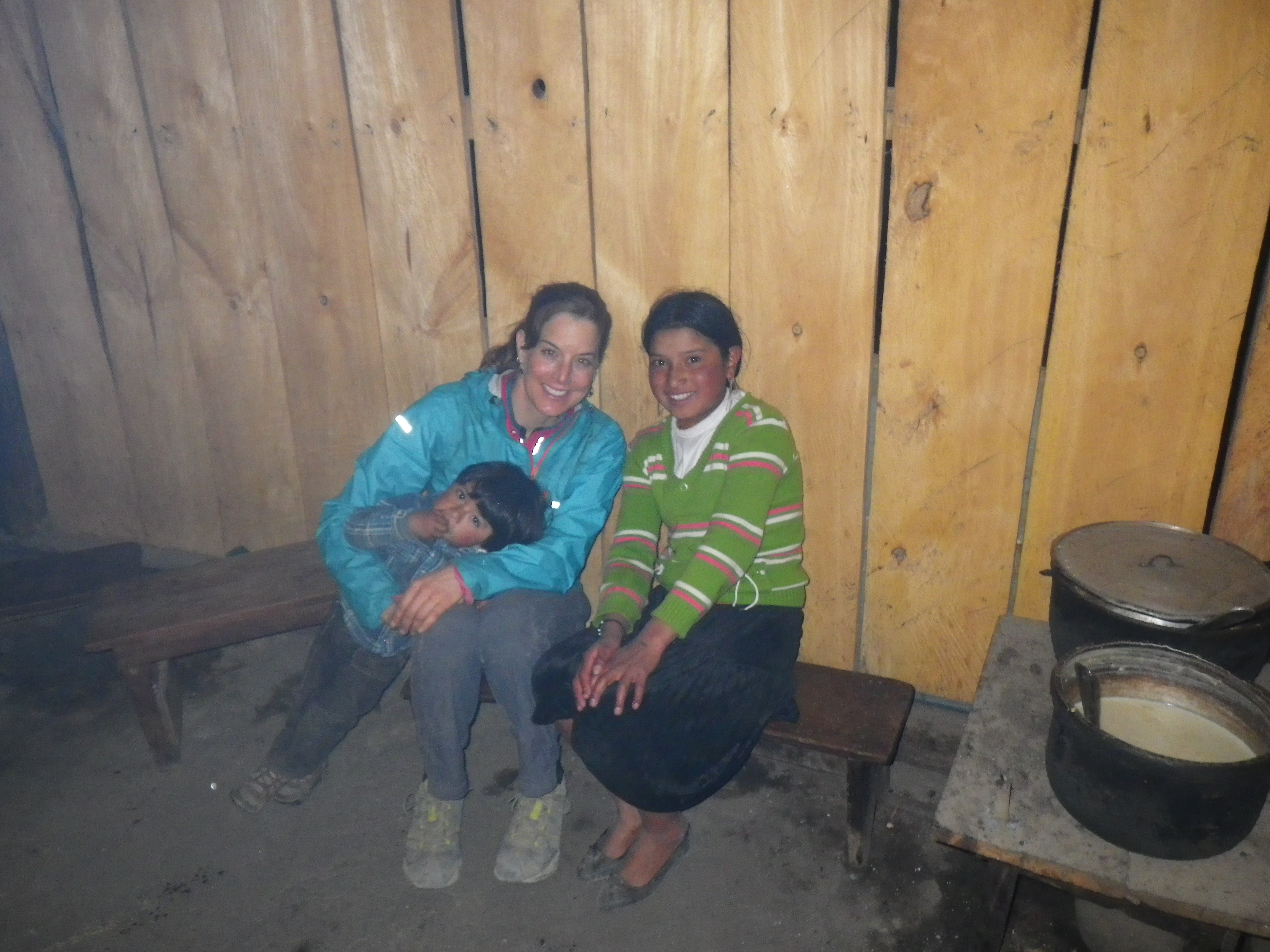
After enjoying the late afternoon views of the lake and surrounding mountains and valleys, we hiked the short distance back down the hill to Eduardo’s house. Besides Eduardo (age 26) and Yolanda (12), the small three-bedroom house was shared by their mom Manuela, dad Espirtu, grandmother Josephina, grandfather, little sister Priscilla (3), and little brother Moses (2). Three other siblings, ages 19, 21, and 30, lived in Latacunga. Like most households, the kitchen was the central gathering place. The simple room consisted of several small stools and a table positioned around an open fire on the dirt floor. There were pots and pans of various sizes stored on the floor below a few shelves holding bowls, plates, cups, and silverware. In the corner, there was a small cabinet containing dried herbs and teas and other pantry staples. The only kitchen gadget I could see was a hand grinder mounted on a small table used to grind grains for cooking. While the family was Quechua, Spanish was our common language. Alex and I spent the evening talking and laughing with the family. I noticed immediately that they were all very affectionate with each other and laughed and smiled a lot. They all seemed to like having us there and laughed warmly as we played with the little kids and fumbled through our Spanish. They really had a good laugh as Alex helped Eduardo cut up a cow leg with a hacksaw. It was harder than it looked! For dinner, we were served large bowls of hot sopa de avena y leche (soup of oats and milk) with boiled potatoes on the side. The soup was creamy and delicious. After dinner, I retired to my room (which was Eduardo’s bedroom) and slept well after a long day of hiking and a wonderful evening amongst new friends.

The next morning, the family was up early. There was a huge pot of boiling water on the fire to which mom Manuela added onions, potatoes, spices, and the pieces of cow leg and feet that Alex helped cut up the night before. While the soup was cooking, Alex and I joined the family in de-kerneling raw corn. Eduardo’s family grew corn and sold the kernels at the markets in nearby villages. The husks and other food scraps were fed to the family pig. After simmering for a bit, we were served the soup for breakfast. I thought that perhaps the cow leg and feet were added to the soup to provide flavoring. Nope, they were part of the dish. I’ll admit I got a little anxious as I was served a huge bowl of soup with a giant cow foot in it. I sipped the rich broth and ate the potatoes and onions for awhile while I watched how the family tackled the feet. Okay, so you pick it up, eat the “meat” off the bone, then suck out the bone marrow. Given that it was the foot, the “meat” seemed to consist of the skin (hair removed), tendons, and cartilage. All eyes were on Alex and I as we picked up our cow feet, ate the “meat”, and sucked out the marrow. They found our efforts very amusing. I ate all of the broth, veggies, and bone marrow but got out of eating the rest of the “meat” by saying I was full and giving the rest of my foot to Eduardo. After breakfast, Alex and I packed our bags, took pictures, and said farewell to our host family. It had been an wonderful and unforgettable experience. We hiked back up to the crater, enjoying the amazing lake views from the rim trail. Once in Quilatoa, we had a snack, reminisced about our trek, particularly about our evening with Eduardo and his family, and caught the bus back to Latacunga. It had been another wonderful trek with fun people!

Exploring and trekking in Ecuador was a fantastic experience made even more special by the new friends with whom I shared the experience, including the wonderful family that welcomed me into their happy home.

Here are a few pictures. Click the links to see the full photo albums:

Cuenca & Parque Nacional Cajas:  https://goo.gl/photos/AZ24aDZtyvYfMxAb6

Latacunga & Volcan Cotopaxi/Quilatoa Loop:  https://goo.gl/photos/VSptsZtT8tKAs5r69

Enjoy!

IMGP0051
Hiking up Volcan Cotopaxi.
IMGP0091
View of Volcan Cotopaxi from the hostel in Latacunga.
IMGP0064
With Jason, Patricio, Jasmin, and Benjamin at the edge of the Volcan Cotopaxi glacier at 16,732 ft.
IMGP0146
With Benjamin and Alex on the Quilatoa Loop.
IMGP0238
With Moses and Yolanda in our host family’s home below the Quilatoa crater.
IMGP0231
With Alex enjoying sopa de avena y leche.
IMGP0216
At the Quilatoa crater lake.
IMGP0033
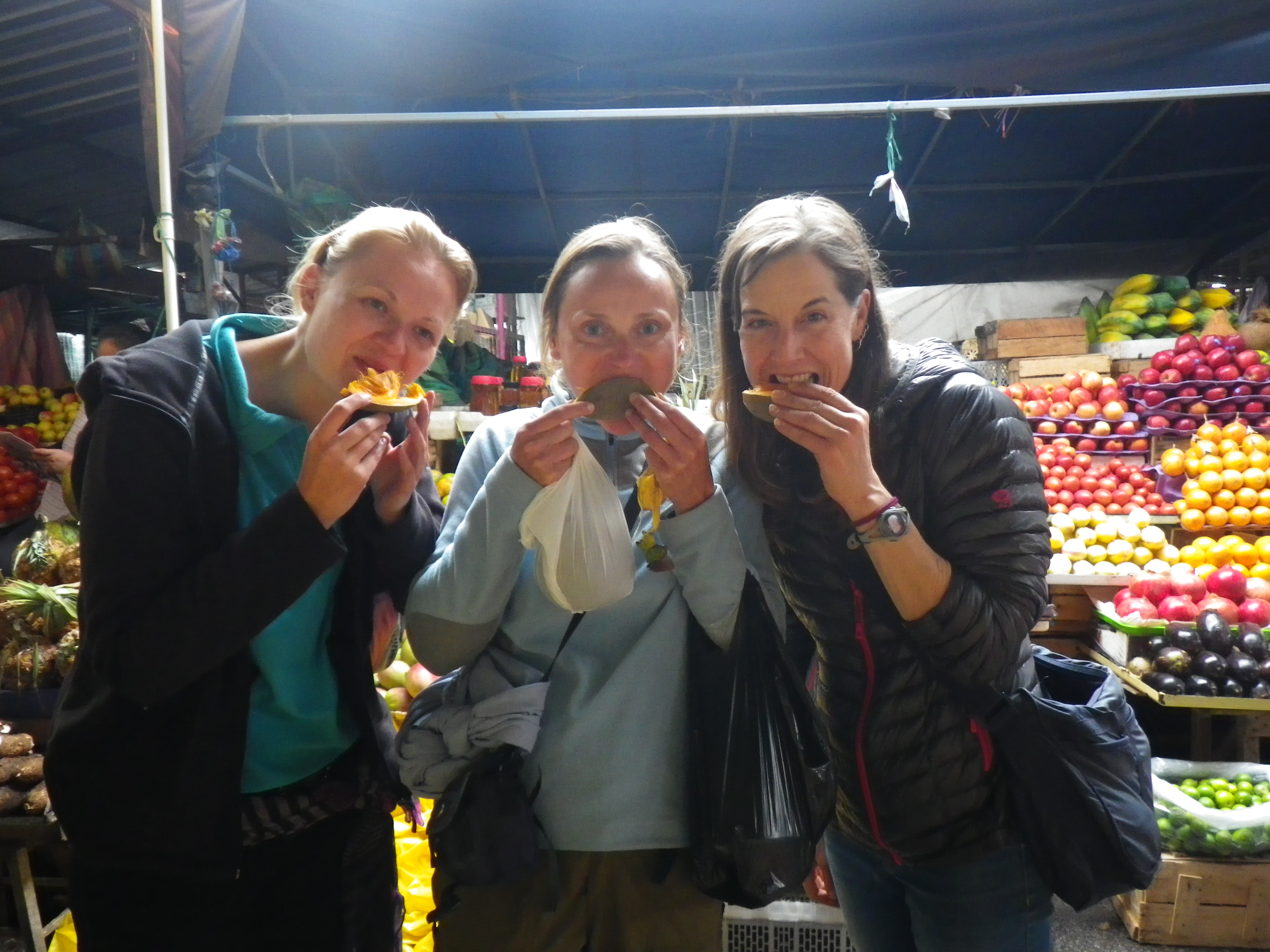
Trying new fruits with Gabriela and Renata at a market in Cuenca.
IMGP0042
With Gabriela and Renata at Parque Nacional Cajas.

Travel notes: recommend Hostal Santa Fe, Cuenca (nice owners, good wifi, cheap, no shared kitchen), Hostal Tiana in Latacunga (friendly staff, good wifi, good shared kitchen and patio), and Hostal Taita Cristobal in Isinlivi (on the Quilator Loop); tap water in Ecuador is NOT potable (treatment needed).

Peru: Huaraz/Parque Nacional Huarascan (June 13 to 20, 2015)

After almost 8 weeks in Bolivia (see previous posts for Cochabamba, Salar de Uyuni, Parque Nacional Madidi, and Lake Titicaca), it was time to cross the border into Peru. From Copacabana, Bolivia, I took an overnight bus to Cusco, Peru, where I stayed for two nights. Since I’d visited Cusco three years earlier, I spent my time relaxing, journaling, and talking to people at my hostel, only venturing out to get food at a nearby local restaurant or at the local market. At the hostel, I again ran into Mathieu (France) who I’d met in Bariloche (Argentina) then ran into in Copacabana. That’s what happens on the travelers circuit. While at the hostel, I also met Renata and Gabriela (Czech Republic) who were on their way to Huaraz, Peru to do the Santa Cruz trek. After talking to them, I recalled that this trek was featured in an article in Backpacker magazine that I’d been carrying around with me all over South America. I’d planned to move quickly through Peru in order to get to Ecuador, but after more research, I changed my plan and decided I had to do the Santa Cruz trek. So, after an overnight bus from Cusco to Lima, where I stayed for a night, and another overnight bus from Lima, I arrived in Huaraz, Peru.

Per Wikipedia, Huaraz (population 100,000+; elevation 10,013 feet) is the main point of entry for climbers and hikers wanting to tackle the glaciers and mountains of the Cordillera Blanca, the world’s highest tropical mountain range, located almost entirely in Parque Nacional Huascaran, a UNESCO nature world heritage site. The Cordillera Blanca range contains 722 individual glaciers and 33 major peaks over 18,040 feet high, including Peru’s highest mountain, Huascaran which is 22,205 feet high.

So how did I spend 8 days amongst glaciers and high mountain peaks? Trekking of course!

During the first three days in Huaraz, I reconnected with Renata and Gabriela, and befriended Peter and Dustin (Canada), who’d I’d met at the bus station in Lima. Together, we ate local Peruvian food and explored the local markets. As a warm up, Renata, Peter, Dustin, and I day hiked to Laguna Churup, a gorgeous glacial lake at 14,600 feet. Then after a day to rest and stock up on supplies, all five of us headed to Parque Nacional Huascaran, Peter and Dustin to do some climbing and Renata, Gabriela, and I to do a 5-day trek, four days on the Santa Cruz trail and one day hiking to Laguna 69, a gorgeous glacial lake.

We started the roughly 30-mile Santa Cruz trek in the village of Cashapampa (population 3,058; elevation 11,200+ feet) hiking through a narrow river valley. Eventually, the valley widened and we were surrounded by glaciated peaks. On day 3, we hiked up and over Punta Union Pass, our highest point at 15,580 feet. The scenery along the trek changed as we went, becoming more stunning with each mile. Then for the last several miles, the trek passes through small Andean villages, providing a glimpse into the rural, farming lifestyle. Besides being featured in Backpacker magazine, the Santa Cruz trek is listed among the top 20 epic trails in the world by National Geographic magazine (http://adventure.nationalgeographic.com/adventure/trips/best-trails/worlds-best-grail-trails/#/cordillera-blanca-santa-cruz-trek_56333_600x450.jpg). And Laguna 69, which we hiked to on day 5, is named by National Geographic magazine as one of the best one-day treks in South America. And with good reason as it is a gorgeous turquoise lake surrounded by snowy mountain peaks at 15,090 feet. Stunning, all very stunning!

I am very thankful that I didn’t cruise through Peru without stopping as previously planned because trekking in the Cordillera Blanca mountain range and doing the Santa Cruz trek was an amazing and breathtaking experience (literally and figuratively), made even more amazing by the fun people with whom I shared the experience.

Here are a few pictures. Click the link to see the full photo album:  https://goo.gl/photos/NFpGrsNQz82nUM5E6

Enjoy!

IMGP0340
At Punta Union Pass, on the Santa Cruz Trek (15,580 feet).
IMGP0297
On the Santa Cruz trek.
IMGP0144
Laguna Churup day hike with Peter, Renata, and Dustin (14,600 feet)
IMGP0410
Laguna 69 with Gabriela and Renata (15,090 feet).

Travel notes: recommend Akilpo Hostel, Huaraz (nice staff, good wifi, good shared kitchen and rooftop patio); tap water in Peru is NOT potable (treatment needed).

Bolivia allows Americans to stay for 90 days, but you must extend the visa after 30 days or pay 20 bolivianos/day for each day past 30. I didn’t read the date on my entry stamp and overstayed my 30-day visa by 24 days. So, I had to pay 480 bolivianos (~$70) upon leaving Bolivia. Darn!